Mung Bean Cultivation
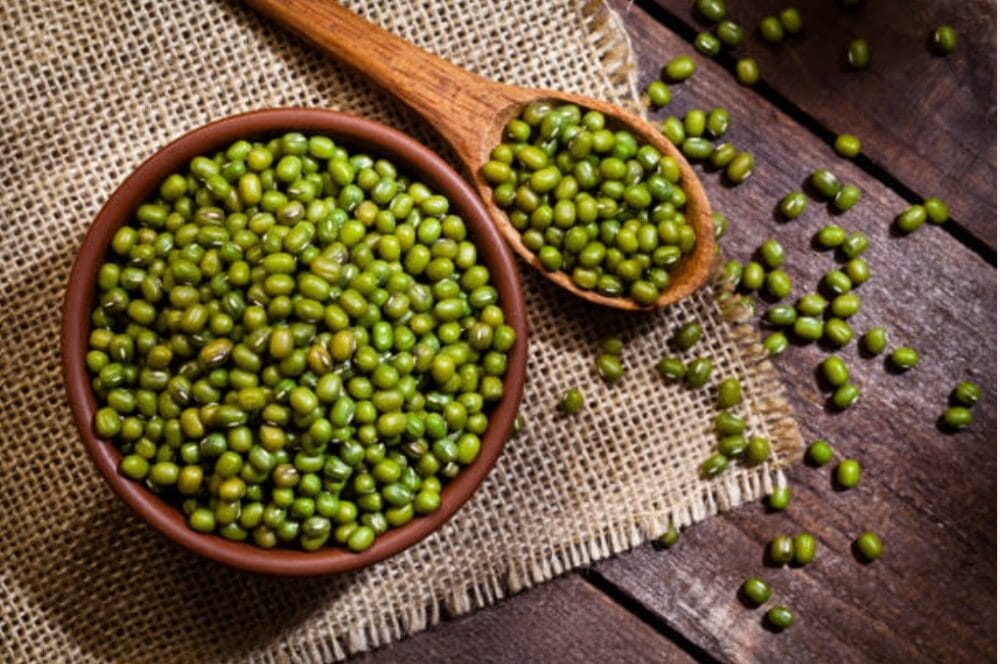
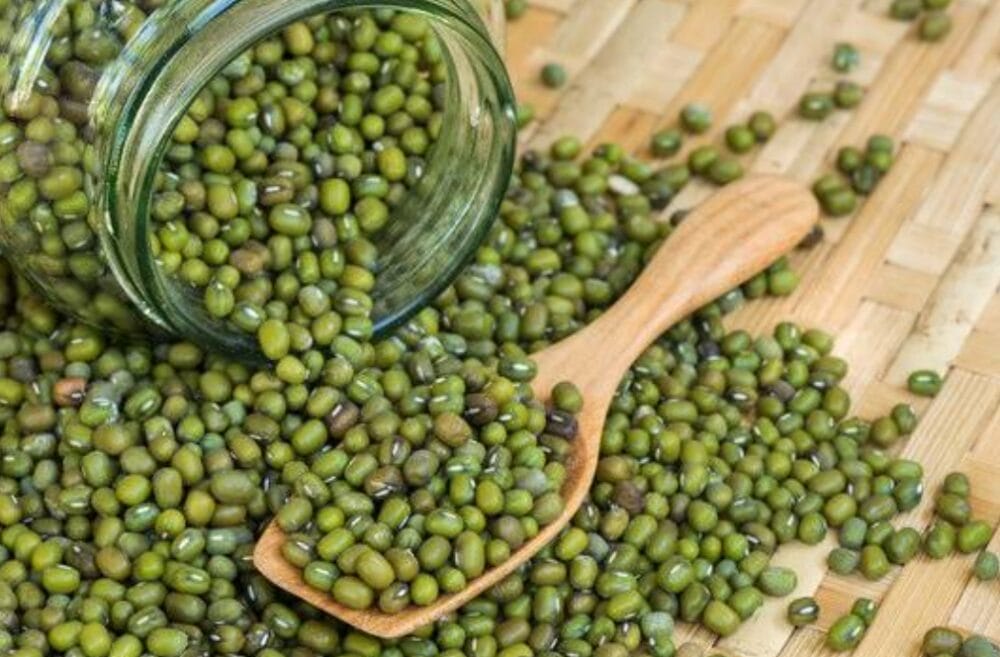
Mung bean, also known as green gram (Vigna radiata), is one of the most important pulse crops cultivated in India and many parts of Asia. It is valued for its high protein content, short growing duration, and ability to improve soil fertility through nitrogen fixation.
Mung bean is widely grown during kharif, rabi, and summer seasons, making it a versatile and profitable crop for farmers.
This blog explains the complete process of mung bean cultivation—from climate requirements to harvesting—along with frequently asked questions.
Table of Contents
Importance of Mung Bean Cultivation
Mung beans are rich in protein (20–25%), dietary fiber, vitamins, and minerals, making them an essential component of a balanced diet. From an agricultural perspective, mung bean is a low-input crop that fits well into crop rotation systems. It improves soil health by fixing atmospheric nitrogen and helps reduce fertilizer costs for subsequent crops.



Suitable Climate and Soil
Mung bean grows best in a warm and humid climate. The ideal temperature range for healthy growth is 25–35°C. Excessive rainfall or waterlogging can damage the crop, especially during flowering.
- Soil type: Sandy loam to loamy soil
- Soil pH: 6.5–7.5
- Drainage: Well-drained soil is essential
Avoid heavy clay soils, as they retain too much moisture.
Land Preparation
Proper land preparation ensures good germination and root development.
- Plough the field 2–3 times to make the soil fine and friable.
- Remove weeds and crop residues.
- Level the field to prevent water stagnation.
Apply farmyard manure (5–8 tons per hectare) during the final ploughing to improve soil fertility.
Seed Selection and Sowing
Use certified, disease-free seeds of improved varieties for better yield.
Popular Mung Bean Varieties in India:
- Pusa Vishal
- SML 668
- IPM 02-3
- HUM 16
- Pant Moong 5
Sowing Time:
- Kharif: June–July
- Summer: March–April
- Rabi (limited areas): October–November
Seed Rate:
- 15–20 kg per hectare
Spacing:
- Row to row: 30 cm
- Plant to plant: 10 cm
Seed treatment with Rhizobium culture improves nitrogen fixation and plant growth.
Fertilizer Management
Although mung bean fixes nitrogen, a starter dose of nutrients improves early growth.
Recommended Fertilizer Dose (per hectare):
- Nitrogen: 15–20 kg
- Phosphorus: 40–50 kg
- Potassium: 20 kg (if soil is deficient)
Apply fertilizers at the time of sowing. Avoid excess nitrogen, as it promotes vegetative growth instead of pod formation.
Also Read:Top 8 Micronutrient Fertilizers: Importance, Types, Benefits, and Application
Irrigation Management
Mung bean requires less water compared to many other crops.
- Summer crop: 3–4 irrigations
- Kharif crop: Mostly rainfed
Critical stages for irrigation:
- Flowering stage
- Pod formation stage
Avoid over-irrigation to prevent root rot and fungal diseases.
Weed Control
Weeds compete with mung bean plants for nutrients and moisture, especially during the early stages.
- First weeding: 20–25 days after sowing
- Second weeding: 35–40 days after sowing
Pre-emergence application of Pendimethalin can also help control weeds effectively.
Pest and Disease Management
Common Pests:
- Aphids
- Whiteflies
- Pod borers
Common Diseases:
- Yellow mosaic virus
- Powdery mildew
- Leaf spot
Use resistant varieties, maintain field hygiene, and apply recommended pesticides only when infestation reaches economic threshold levels.
Harvesting and Yield
Mung bean is ready for harvesting in 60–75 days, depending on the variety.
- Harvest when pods turn black or brown
- Avoid delayed harvesting to prevent pod shattering
Average Yield:
- 8–12 quintals per hectare
- With improved practices, yield can reach 15 quintals per hectare
After harvesting, dry the pods properly before threshing.
Also Read:Complete Guide to Starting a Garden: From Planning to Planting
Frequently Asked Questions (FAQ)
1. What is the best season for mung bean cultivation?
Mung bean can be grown in kharif and summer seasons, with summer cultivation giving higher yields under irrigation.
2. How long does mung bean take to mature?
Most varieties mature in 60 to 75 days, making it an ideal short-duration crop.
3. Is mung bean suitable for crop rotation?
Yes, mung bean is excellent for crop rotation as it improves soil fertility through nitrogen fixation.
4. How much water does mung bean need?
Mung bean requires minimal irrigation, with water needed mainly during flowering and pod formation stages.
5. What is the average yield of mung bean per hectare?
The average yield is 8–12 quintals per hectare, which can increase with good management practices.
6. What are the major diseases affecting mung bean?
Yellow mosaic virus and powdery mildew are common diseases affecting mung bean crops.
Conclusion
Mung bean cultivation is a cost-effective, short-duration, and environmentally friendly farming option for small and marginal farmers. With proper seed selection, timely irrigation, balanced fertilization, and effective pest management, farmers can achieve high yields and better income.
Additionally, its role in improving soil health makes mung bean a valuable crop in sustainable agriculture systems.
Also Read:Amazing 9 Health Benefits of Tulsi Tea